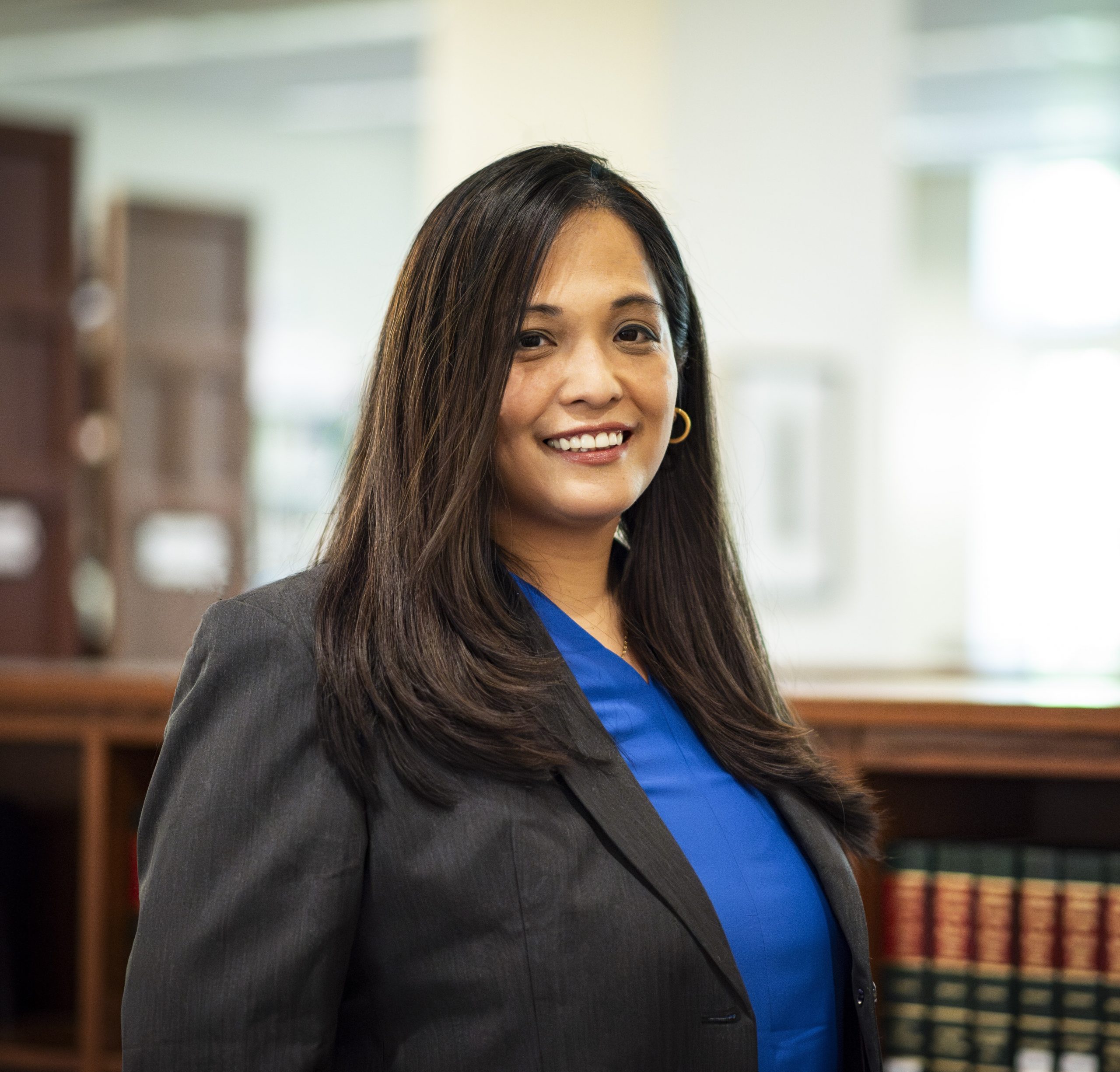
Jessica de Perio Wittman published ORGANIZATIONAL STRUCTURES IN ACADEMIC LAW LIBRARIES, VOL. 3 (with Elizabeth G. Adelman ed. 2025)
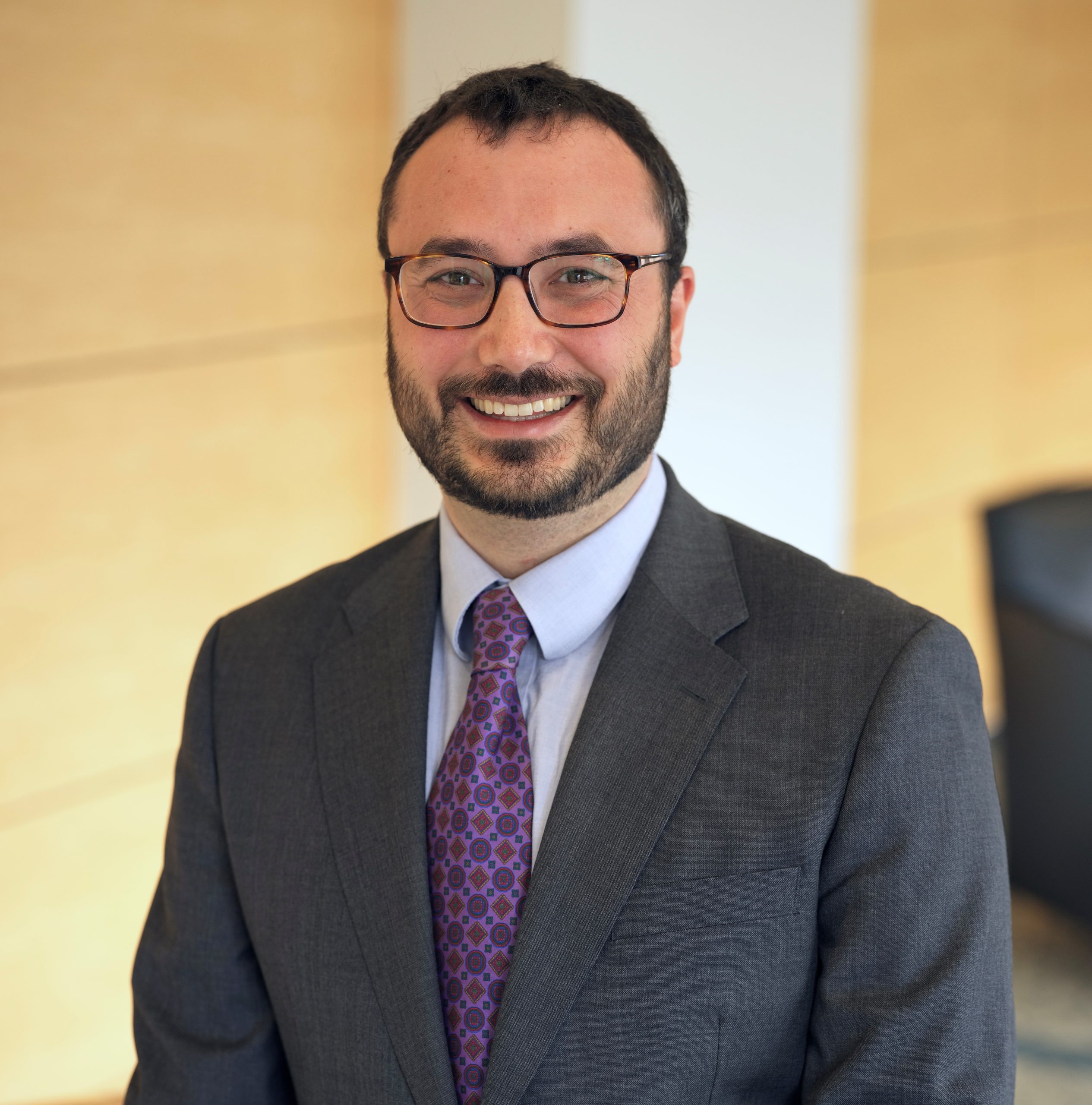

Lesley Chuang ’12 received an Emerging Women Leaders in the Law award from the Women’s Bar Association of Massachusetts (WBA). Chuang Litigation Of Counsel at DLA Piper in Boston
The WBA’s Emerging Women Leaders in the Law Award honors women attorneys who have demonstrated professional excellence or had a significant professional achievement in approximately their first 12 years in the legal profession, and either promote the status of women in the legal profession or contribute meaningfully to the equal participation of women in a just society.
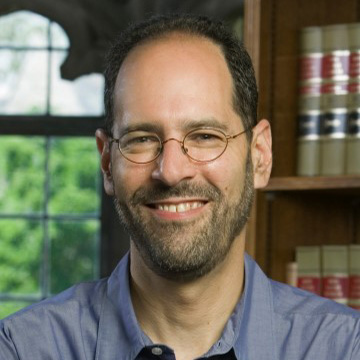
Thomas Cobb, director of Legal Practice and clinical professor of law, was elected to the Editorial Board of Legal Writing: The Journal of the Legal Writing Institute. The Editorial Board is composed of faculty from law schools across the country and includes some of the leading scholars and academics in the field of legal writing.
The Legal Writing Institute (LWI) is a nonprofit organization dedicated to improving legal communication by supporting the development of teaching and scholarly resources and establishing forums to discuss the study, teaching, and practice of professional legal writing.
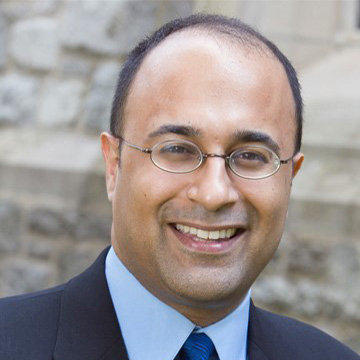
Professor Jon Bauer and the UConn Law School Asylum and Human Rights Clinic have been selected to receive the 2026 AILA Chapter Pro Bono Champions Award from the Connecticut chapter of the American Immigration Lawyers Association.
The organization cited the clinic’s longstanding impact on behalf of asylum seekers, noting that clinic students have successfully handled nearly 180 asylum cases to completion, with more than 93% of clients obtaining asylum or other relief from removal. AILA also recognized Bauer’s leadership since the clinic’s founding in 2002 and highlighted the many former students who have gone on to careers in immigration law, legal services, nonprofit organizations, and private practice, serving immigrant communities across the country.
Angelo Ziotas ’91, a partner at Silver Golub & Teitell LLP, received the Connecticut Trial Lawyers Association’s Lifetime Achievement Award. Presenting the award, outgoing CTLA President Peter Dreyer said: “Angelo’s legacy is not only measured in verdicts and settlements, although those are extraordinary. It is measured in the way he has practiced law, the lawyers he has mentored, the clients he has served, and the judgment, generosity and moral clarity he has brought to our profession for decades.”